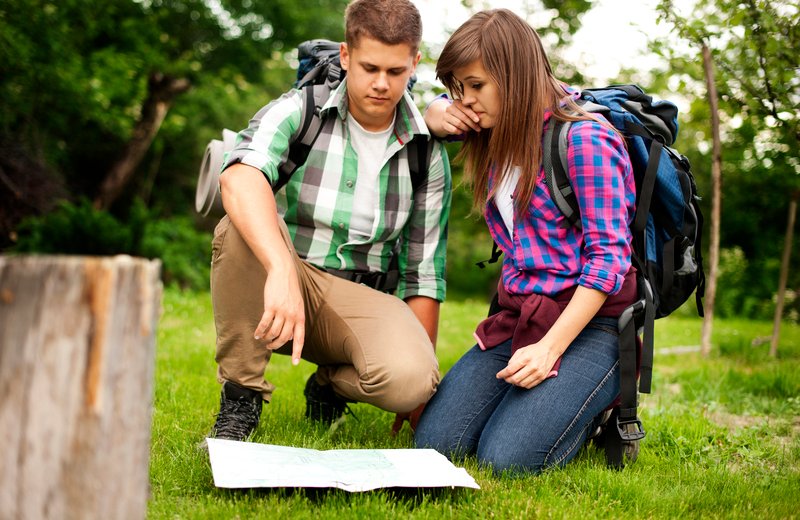
Introduction to Backpacking Travel
Backpacking Advice cwbiancavoyage is more than just a travel plan—it is a structured approach to exploring the world safely, affordably, and confidently. Backpacking is about experiencing new cultures, discovering hidden gems, and challenging yourself, all while managing resources wisely. Unlike traditional tourism, backpacking emphasizes freedom, adaptability, and immersive experiences over luxury.
Backpacking can be a life-changing journey if done with preparation and awareness. Travelers who carefully plan their trips, understand local cultures, and manage their time and finances wisely often find deeper satisfaction in their adventures. Whether traveling solo or with friends, a well-prepared backpacking trip allows you to enjoy every moment without unnecessary stress.
The Backpacking Mindset
Flexibility and Adaptability
Travel rarely goes exactly as planned. Flights may be delayed, buses cancelled, accommodations overbooked, or weather may turn unfavourable. Instead of panicking, a smart backpacker remains calm and adapts quickly. Flexibility allows you to explore alternate routes, discover hidden attractions, or even meet locals who can offer unique experiences not found in guidebooks.
Backpacking encourages learning to embrace uncertainty. By staying open-minded and flexible, travelers convert challenges into memorable stories and opportunities for personal growth.
Building Confidence and Independence
Backpacking strengthens self-reliance. Navigating unfamiliar cities, solving unexpected problems, and managing daily logistics without assistance build confidence and resilience. These experiences teach essential life skills, such as problem-solving, decision-making, and adaptability, which extend far beyond travel. Over time, travelers gain the confidence to face challenges with a calm and strategic mindset.
Choosing the Right Backpack
Size and Capacity
A backpack is the foundation of your journey. Most long-term travelers recommend a 40–60 litter backpack as it is spacious enough for essentials but compact enough to remain manageable. Oversized backpacks encourage overpacking, making movement cumbersome and tiring.
Comfort and Features
Prioritize comfort. Look for padded shoulder straps, adjustable hip belts, chest straps, and breathable back panels to distribute weight evenly. Water-resistant material protects belongings from rain and accidental spills. Strong zippers and durable construction ensure your backpack lasts the entire trip.
Testing Your Backpack
Before departure, pack your essentials and walk with the backpack for 20–30 minutes. Adjust straps and load distribution until it feels balanced and comfortable. Testing prevents fatigue and ensures that you are ready for long walking days.
Packing Light and Smart
Clothing and Layering
Overpacking is a common beginner mistake. Choose lightweight, quick-dry clothing suitable for layering. Layering allows flexibility in varying weather conditions, making it more practical than carrying heavy jackets. Neutral colors make outfits interchangeable, reducing the total number of clothes needed.
Essential Gear
Some items are essential for all travelers:
-
Compact first-aid kit for minor injuries
-
Copies of passports, visas, and insurance documents
-
Reusable water bottle to save money and reduce waste
-
Small locks for hostel lockers
-
Power bank to keep devices charged
Organizing items in packing cubes or separate compartments increases efficiency and reduces stress when searching for gear.
Budget Planning for Backpackers
Estimating Daily Expenses
Budgeting is crucial to ensure the trip is sustainable. Calculate estimated daily costs for accommodation, food, transportation, and activities. Include a small emergency fund for unexpected situations like medical issues, theft, or last-minute changes.
Tracking Spending
Tracking daily expenses is an effective habit. Apps or simple notebooks can help monitor spending and prevent overspending. Keeping a daily record allows you to adjust your budget on the fly and make informed choices about where to save or spend.
Saving Tips
Traveling off-peak, cooking some meals instead of eating out, using public transportation, and booking accommodations in advance are practical ways to save money. Smart budgeting allows for longer trips and a more stress-free experience.
Affordable Accommodation Options
Hostels and Guesthouses
Hostels are ideal for social interaction and affordability. Dormitory rooms are cheaper than private rooms and provide opportunities to meet other travelers. Many hostels also offer communal kitchens, free breakfast, and social events, which enhance the overall experience.
Booking Tips
Before booking, check verified reviews for cleanliness, safety, and location. Proximity to public transportation reduces commuting costs and maximizes sightseeing time. Booking a few nights in advance ensures a smoother arrival, especially during busy seasons.
Homestays and Alternative Options
Homestays offer immersive cultural experiences and allow travelers to live like locals. They may be slightly more expensive than hostels but provide authentic connections and local insights.
Food Choices While Traveling
Street Food and Local Cuisine
Street food offers authentic flavours at affordable prices. Travelers should choose vendors with high turnover, which usually indicates fresh and safe food. Eating where locals eat also provides insight into daily life and cultural preferences.
Snacks and Hydration
Carrying light snacks like nuts or energy bars helps during long bus or train rides. Staying hydrated is crucial, especially in tropical or high-altitude regions. If tap water is unsafe, filtered or bottled water should be used.
Health Precautions for Backpackers
Vaccinations and Medical Preparation
Research vaccinations and health risks for your destination. Some countries require specific vaccinations, while others may have common illnesses to be aware of.
Personal Hygiene and Rest
Maintaining hygiene and getting adequate rest prevents illness. Avoid extreme physical exhaustion, especially when traveling long distances or in challenging terrains.
Travel Insurance Importance
Travel insurance provides peace of mind and covers unexpected medical emergencies, theft, or cancellations. Some adventure activities may require specialized coverage.
Personal Safety on the Road
Avoiding Theft and Scams
Keep valuables hidden and avoid displaying expensive items publicly. Being cautious in crowded areas such as markets, transport hubs, or tourist hotspots reduces the risk of theft or scams.
Neighbourhood Research
Research neighbourhoods before booking accommodation. Staying in safe areas ensures peace of mind and easier access to transportation and local attractions.
Sharing Travel Plans
Inform friends or family about travel itineraries. Sharing your location and plans adds an extra layer of security and ensures help is available if needed.
Cultural Awareness and Respect
Language Basics
Learning simple greetings or polite phrases in the local language demonstrates respect and helps build rapport with locals.
Dressing and Behavior
Adhering to cultural norms and dress codes, especially in religious or conservative regions, avoids unwanted attention or offense.
Positive Local Interactions
Respecting customs and traditions creates meaningful interactions. Engaging with locals leads to authentic experiences that many tourists miss.
Dealing With Travel Challenges
Lost Luggage or Delays
Lost luggage or delayed transportation is common. Staying calm and asking for assistance from airline staff, local authorities, or fellow travelers usually resolves these issues.
Communication Barriers
Language barriers can create challenges, but translation apps, gestures, and patient interaction help overcome them.
Patience and Flexibility
Patience and adaptability are essential. Often, unexpected events become the most memorable parts of the journey, providing stories to share long after the trip ends.
Mental and Personal Growth Through Backpacking
Confidence and Independence
Backpacking builds self-confidence. Travelers navigate unfamiliar environments, make independent decisions, and solve daily problems, all of which foster independence.
Broadened Perspectives
Exposure to different cultures encourages empathy and understanding. Witnessing diverse lifestyles challenges assumptions and broadens perspectives.
Backpacking Advice cwbiancavoyage Life Skills Acquired
The skills learned through backpacking—resilience, adaptability, problem-solving, and communication—extend beyond travel and contribute to personal development.
Sustainable and Responsible Travel
Reducing plastic waste, respecting wildlife, supporting local businesses, and leaving minimal environmental impact are crucial for preserving destinations. Responsible travel ensures that future generations can enjoy these places.
Final Thoughts on Backpacking
Backpacking Advice cwbiancavoyage provides a structured yet flexible approach to travel. With proper planning, budgeting, cultural respect, and safety awareness, backpacking becomes affordable, safe, and transformational. Traveling light, staying flexible, and maintaining a positive mindset turns every journey into a meaningful adventure, full of personal growth, discovery, and unforgettable experiences.
Backpacking Advice cwbiancavoyage FAQ Section
Q1: What is Backpacking Advice cwbiancavoyage?
A1: A comprehensive guide for travelers to explore the world safely, affordably, and smartly.
Q2: How do I choose the right backpack?
A2: Pick a 40–60L backpack with padded straps, hip belts, and water-resistant material. Test it for comfort.
Q3: What essentials should I carry?
A3: First-aid kit, travel documents, reusable bottle, small locks, power bank, versatile clothing.
Q4: How can I manage my budget while backpacking?
A4: Estimate daily expenses, track spending, save via off-peak travel and cooking meals.
Q5: How can I stay safe while traveling?
A5: Keep valuables hidden, research neighbourhoods, trust instincts, and share your travel plans.
Q6: How does backpacking help personal growth?
A6: Builds confidence, independence, problem-solving, resilience, and cultural understanding.
Visit my site for mor details.